When a painting sells for a million dollars or more in London, it makes headlines. What does not make headlines is that the artist most times receives little or nothing from the record transaction. That gap, between the price a work commands and what returns to the person who made it, is the defining tension of the African art market today.
Over the past decade, African art has moved from the margins of international collecting to its centre. Sotheby’s and Bonhams launched dedicated Modern and Contemporary African Art sales. The 1-54 Contemporary African Art Fair expanded from London to New York and Marrakech. Zeitz MOCAA opened in Cape Town. The Museum of West African Art in Benin City broke ground. These are not small developments. They represent a structural shift in how global institutions perceive and trade African creative work.
Yet structural shifts at the top of a market do not always reach the people who produce the work. Visibility is not the same as equity, and demand is not the same as sustainability.
In this digest, we examine who is actually profiting from the boom in African art globally, what artists experience behind the auction headlines, and what a more equitable ecosystem might look like.
The Numbers Behind the Boom
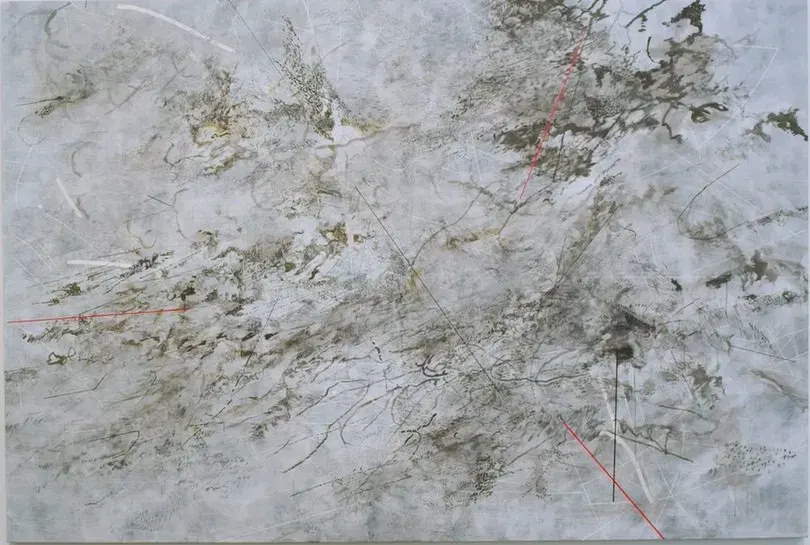
The African art auction market grew from about $33 million in 2016 to $87 million in 2022, a 160% increase in six years, according to ArtTactic. Julie Mehretu’s Walkers With the Dawn and Morning sold for $10.74 million at Sotheby’s New York in November 2023, setting the verified auction record for an African-born artist. Benedict Enwonwu’s FESTAC ‘77 fetched £444,900 at Bonhams London in October 2024. Auction values pulled back in subsequent years, but lot volumes increased, suggesting the market is widening even as top-end prices cool.
These numbers attract attention, investment, and new collectors. They also create a perception that African artists are thriving. That perception deserves scrutiny.
Who Profits When the Gravel?
The art market has a chain. The gallery sells first. The dealer places the work. The auction house handles the secondary sale. Every link in that chain takes a cut. In most cases, the artist sits outside it entirely. There are no resale royalties in the United States. South Africa’s Aspire Art Auctions introduced its own voluntary royalty scheme as far back as 2016 and was invited to present the model at a WIPO summit in Geneva, but legislation across the continent remains inconsistent and largely unenforced.
Artists based on the continent face an additional layer of difficulty. Many lack long-term gallery representation, legal support, or financial literacy around secondary-market dynamics. The international market can discover an artist, drive up demand for their work, and generate significant wealth for collectors and dealers — all without materially improving the artist’s life.
Building from the Ground Up
Where institutions have been slow, artists have moved quickly. Amoako Boafo opened dot.ateliers in Accra, a studio, gallery, and community space designed by David Adjaye. Kehinde Wiley launched Black Rock Senegal. Michael Armitage founded the Nairobi Contemporary Art Institute to address a shortage of exhibition spaces in East Africa. Kaloki Nyamai built an art library in Nairobi because, as he said plainly, there was no art library in Kenya, and the government had removed art from the public school curriculum.
These artist-led initiatives are doing the work that state institutions and international art bodies have not prioritised. They are building archives, running residencies, and creating local validation systems that do not depend on auction calendars set in London or New York.
A Market Still Answering to Itself
The conversations are shifting. Resale royalties are being debated. Ethical collecting is entering gallery discourse. New models of artist partnership and profit-sharing are being tested. But these remain conversations, not structures. In 2025, Sotheby’s folded its dedicated Modern and Contemporary African Art department into its broader international sales programme — a cost-cutting decision that, whatever its commercial logic, removed a public signal of value the ecosystem had come to depend on. The specialist Hannah O’Leary described it as “a natural progression in a market that has come of age”. Others in the industry called it a blow.
The market has found African art. However, the harder question, whether African art has found a market that actually serves it, remains, stubbornly, open.